


WHEEL ARCHERY
From Hooves to Wheels: The Evolution of a Passion
“The target remains the same, only my mount has changed.”
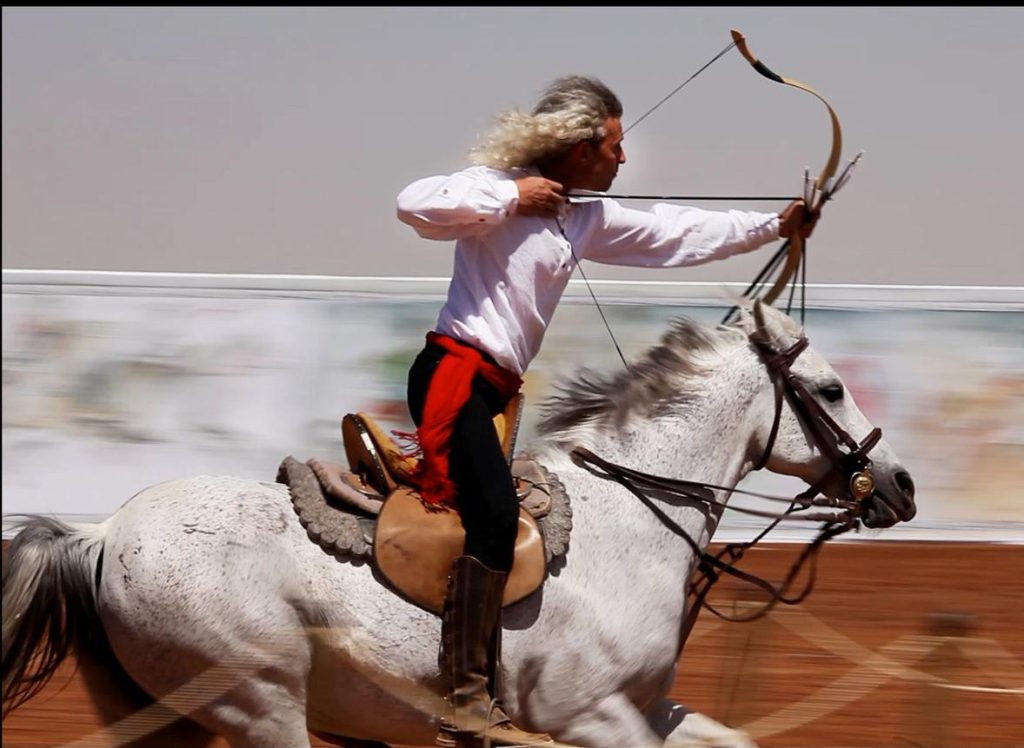
Allow me to introduce myself. My name is Thierry Descamps, and if you are discovering this website and the Wheelarchery association today, know that this discipline did not appear out of nowhere. It is the result of 20 years of dedication, international competitions, and a true passion for mounted archery in motion.
World-Class Expertise
Horseback archery requires true mastery of the horse, the bow, and the natural elements. My career among the world elite guarantees my expertise.
An international track record: Since 2008, I have taken part in the most prestigious international competitions (EOCHA, Al Faris, WHAF). Gold medalist in Poland, silver medalist in Germany, and bronze medalist at the World Championships in South Korea.
Global recognition: I am proud to be a member of the World Federation of Equestrian Archery (WFEA), placing my expertise at the heart of this sport’s international governing bodies.
High-performance discipline: With a personal record of 232 points at the Kassai World Open Cup (KHOW).
A pioneer in the field: Already competing internationally, I played a key role in launching and developing the discipline in France with the French Equestrian Federation (FFE). I also initiated the creation of the very first French track officially approved by the World Federation of Equestrian Archery (Kassai system track).
The Concept of Wheel Archery: Archery 2.0
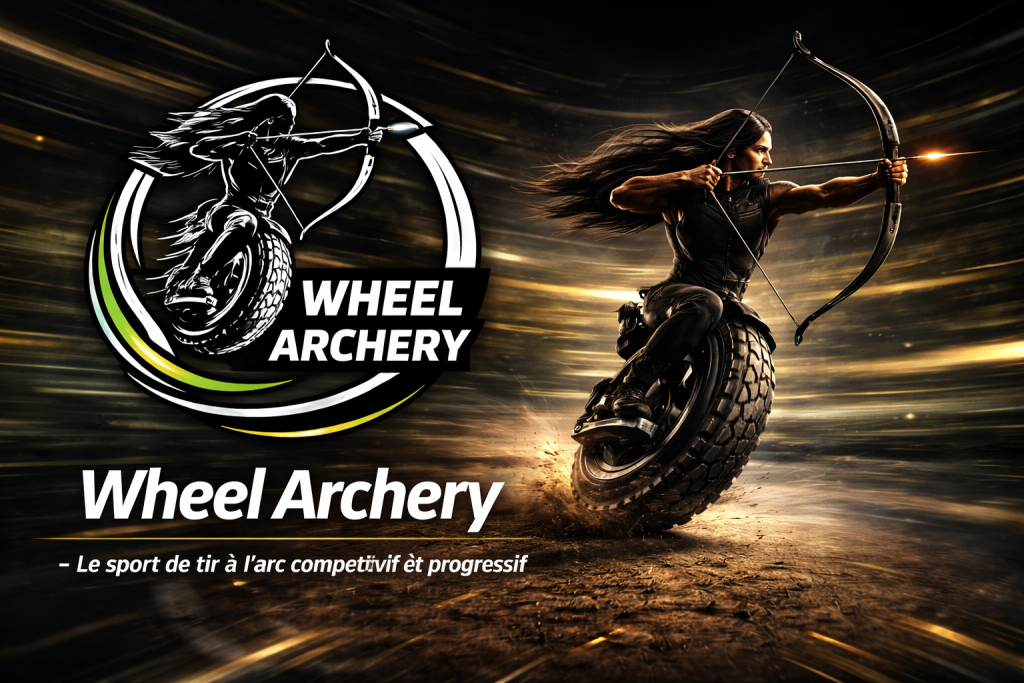
Why create wheel archery? To take on a simple challenge: make excellence accessible without compromising the demands of the discipline, while keeping it enjoyable.